Category: Uncategorized

  • Spin Samurai pokies with sequel to popular game: a practical walkthrough

    If you have ever watched a floor supervisor allocate labour across a packed Saturday arvo, you know the value of a setup that keeps pace without burning out the staff. That same discipline shapes how pokies with sequel to popular game should run on any site you trust, and it is why I keep my eye on the mechanics before I ever mention a spin. The first link worth checking is the spin samurai no deposit bonus codes 2026 list at spin samurai no deposit bonus codes 2026, because the walkthrough below follows how a player actually meets the offer, clears the wagering, and reads the screen without guessing.

    How the sequel series lands on the lobby and what you see first

    A sequel to a popular game usually arrives with a familiar payline rhythm and a few updated symbols, but the real test is how the lobby presents it and how quickly you can tell whether the maths suit a short session or a longer grind. On a well-run platform, the sequel title sits under a clear provider banner, the RTP sits above the info panel, and the volatility tag is not buried under marketing copy. I always compare that presentation to how a table supervisor labels a game: if the signage is vague, the player spends more time asking questions, and that is labour that should have gone into service instead. When you open the game, the first screen should show bet ranges, paylines or ways, and the bonus trigger in plain language, so you can decide whether the stake suits your bankroll before you press go.

    The sequel mechanic matters because it changes how often the base game pays out versus how hard the bonus is to trigger. A sequel that leans on a free spins round with a multiplier build will feel different from one that relies on a pick-me bonus or a hold-and-win style grid. I reckon players who read the paytable first save themselves a lot of confusion later, especially when the sequel introduces a new symbol set that shifts the hit frequency. The screen should also make it obvious whether the game uses a fixed or variable line bet, because that changes how quickly a session can drift. If the lobby hides the volatility or buries the RTP behind a tap, that is a warning sign that the operator is not treating the game with the same discipline you would expect on a busy floor.

    A practical first step is to set a stake that leaves room for the bonus to do its work without turning a short losing run into a bankroll problem. The game’s bet minimum and maximum should match the session you want, and the autoplay function, if there is one, should be capped so it does not run past a limit you set. I have seen players assume a sequel inherits the same feel as the original and then get caught out by a different volatility profile, which is why the first few spins are better spent learning the rhythm than chasing a big hit. The interface should also show whether the bonus buy option exists, because that changes the cost of entry and the way the round plays out. If you are comparing options, the spin samurai no deposit bonus codes 2026 page lists current offers that can shape how you test a sequel title without committing a full deposit straight away.

    How the welcome offer works when you test a sequel title

    A welcome offer for a sequel title is only useful if the contribution rules are clear, because a game that counts less toward wagering can slow a clearance that looked simple on paper. The offer structure usually starts with a deposit match and sometimes a free spins bundle, and the key details are the wagering multiple, the game weighting, the max bet limit during playthrough, and the time window to finish. I treat that the same way I would treat a shift plan: if the targets are unclear, the work gets messy and people make assumptions that cost them later. A decent offer tells you which games contribute 100%, which ones count for less, and whether the free spins winnings come with their own separate wagering or roll into the main requirement.

    The eligibility side is just as important, because a bonus that looks generous can be narrowed by region checks, account verification, or a cap on the withdrawal from bonus winnings. I always read the terms for the max bet rule, because a sequel played with a stake above the limit can void the bonus and any winnings attached to it. The contribution rate matters too, since a game that only counts at 50% means you need twice the turnover to clear the same requirement, which changes whether the offer is worth your time. A clear offer also states whether there is a win cap on bonus funds, because that limits how much you can walk away with even if you clear the wagering comfortably. If you are weighing a first deposit against a no-deposit start, the spin samurai no deposit bonus codes 2026 list can show what is available before you put money in, which helps you compare the real cost of testing a sequel title.

    Recurring promos can be useful if they are simple and consistent, but they are only worth chasing when the weekly or reload structure does not hide a tricky contribution rule. I prefer promos that state the wagering, the game list, and the expiry in one place, because that is the kind of clarity a floor team relies on when they are moving fast and cannot afford to misinterpret a rule. A good recurring offer also keeps the max bet and win cap consistent with the welcome terms, so you are not suddenly facing a different set of limits halfway through. When the promo page is vague, I step back and treat it like a shift handover with missing notes: I do not assume, I ask, or I skip it. The safest way to test a sequel under a promo is to confirm the contribution, set a max bet you will not exceed, and keep the session within the time window so the offer does not expire while you are still working through it.
    Reading the screen, setting limits, and judging the session

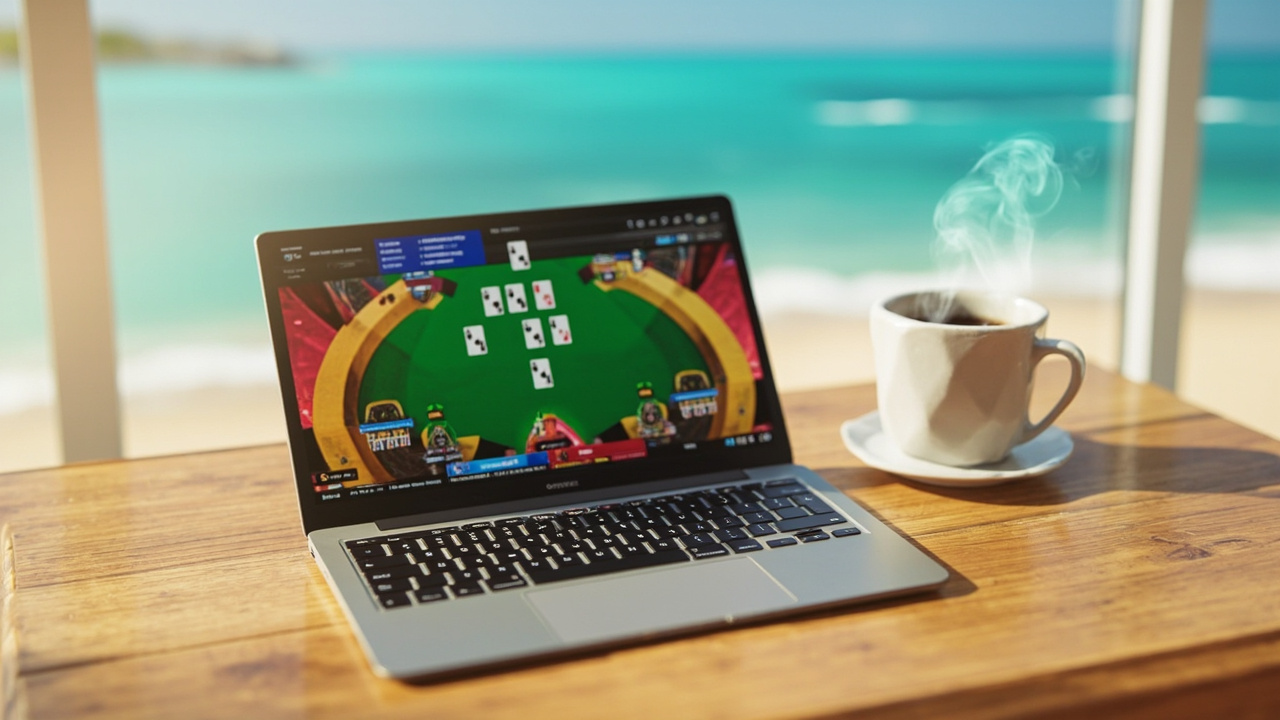
    A disciplined session on a sequel title starts with the same habits I expect from a team on a busy shift: clear limits, steady pace, and no guessing when the rules change. The screen should let you check the bet, lines or ways, balance, and any active feature before you spin, and the game should signal a bonus trigger in a way that is easy to read without scrambling for the paytable. I always set a loss limit and a session target before I start, because a sequel can feel familiar and still behave differently once the bonus round is in play. The volatility tag helps here, since a high-volatility sequel can go a long time between hits and a low-volatility one can eat into a bankroll with smaller, more frequent payouts.

    The bonus round itself deserves a proper look, because the sequel may change the way free spins stack, how multipliers apply, or how a pick-me grid pays out. I read the feature rules before I rely on the round to do the heavy lifting, and I keep the max bet within the bonus terms so I do not accidentally break the offer. If the sequel includes a bonus buy, I check the cost relative to the stake and decide whether the extra entry fee is worth the chance, knowing that it does not guarantee a better result. The same discipline applies to autoplay: I prefer a cap or a stop condition rather than letting the game run without a limit, because that is how you keep a session under control when the pace picks up.

    Payments and registration should be straightforward enough that you spend your time on the game, not on hunting for a way to cash out. A clean setup shows the currency up front, lists the deposit and withdrawal methods without hiding fees in the fine print, and makes the verification steps clear before you try to withdraw. I compare that to a well-run floor where the payout process is known in advance, because surprise delays are the last thing you want when you are managing a session. Support should be reachable when a rule is unclear, and the loyalty programme, if there is one, should reward regular play without making the points harder to use than the bonus itself. If you are in the Newcastle area and you want a local anchor for where players often compare options, it helps to know that the same discipline applies whether you are playing in a pub, a club, or on a site from home. I have seen sessions go better when the player treats the sequel like a game with its own rules rather than assuming it behaves like the original, and that is the kind of judgement call that keeps the session steady.

    Good sessions on a sequel title come down to reading the screen, respecting the offer terms, and keeping the pace steady rather than chasing a feeling. The game can be familiar, but the maths, the bonus trigger, and the wagering rules are what actually shape the session, so I treat those as the first things to check. If the offer is clear, the contribution is fair, and the limits are set before the first spin, the sequel becomes a game you can test properly instead of one you just hope will behave. No deposit or bonus changes the fact that the outcome is still random, and the only real edge is knowing the rules well enough to play within them.


  • Bonus Eligible Games: Choosing Slots and Tables That Count

    Not every spin or hand qualifies for the same promotion, and that distinction matters more than most Aussie punters realise before they sit down with a flat white and a phone. Casino bonus eligible games are the ones operators actually count toward wagering, so picking the right mix can mean the difference between a promotion that fades out and one that keeps paying attention. I’ve spent years juggling VIP retention across Tokyo, Paris, and now the Illawarra, and the pattern is consistent: players who chase the biggest headline number usually end up on the wrong game list. The smarter move is to match the game to the bonus terms, not the other way around.

    That is why checking the specific terms attached to each offer is crucial before you commit any real money. Many experienced players rely on verified rocket play casino codes to navigate these restrictions and find promotions that actually suit their playing style. You can find more details on filtering these offers at https://bonusrocketplay.org/aus/.

    Focus on the game list, not the headline number

    The first filter is always the game list itself, because a welcome offer usually comes with a restricted pool of casino bonus eligible games rather than a blanket pass across the whole lobby. Operators tend to carve out specific slots, a handful of table thresholds, and sometimes a couple of live dealers, while leaving everything else on a slower or excluded footing. The reason is straightforward: different titles carry different house edges and different contribution rates, so a broad list would make the bonus maths blow out on the operator side. When I’m walking a high-value player through a new account in Mandarin or French, I point them straight at the contribution table before I mention the deposit match, because that’s where the real shape of the offer lives.

    The practical read is that a slot with a sharp volatility index rating can be perfectly fine for a bonus, but only if the terms say it counts at full value. Some lower-variance fruit titles are excluded entirely because they pay out steadily in a way that eats through wagering faster than the operator wants, while a few higher-variance video slots sit on the eligible list precisely because they keep the turnover moving. The lesson I give players across every market I cover is to treat the eligible list as a filter, not a menu, and to pick the games that fit both the bonus rules and the way they actually want to play.

    Detail What it usually means on the eligible list
    Contribution rate How much a game counts toward wagering, often 100% for main slots and less for tables
    Volatility index A rating that helps gauge a slot’s risk profile before you commit to a bonus run
    Restricted titles Specific games left off the list because their payout pattern doesn’t suit the offer
    Table thresholds Some blackjack or roulette bets count only up to a capped stake per round

    Mobile usability shapes which games you can actually play

    How the lobby behaves on a phone

    The second filter is whether the eligible games actually behave on a phone, because a bonus is only useful if the lobby loads cleanly and the navigation doesn’t fight you when you’re leaning on one hand at the beach or squeezing in a spin during an arvo break. A mobile-first setup should keep the eligible game list easy to scan, with clear tags showing which titles count and which ones don’t, rather than burying that detail in a terms link that no one reads. I’ve watched VIP players in Wollongong lose patience with lobbies that refresh slowly or shuffle the bonus-eligible section around every session, and the result is always the same: they drift back to the games they already know, even if those titles aren’t the best fit for the offer.

    Performance matters here more than most reviews admit, because a slot that stutters on 4G or drops out when you switch from Wi-Fi to mobile data will kill a bonus run just as surely as a bad wagering requirement. A responsive layout should keep the paylines, the bet slider, and the autoplay controls in the same place across sessions, so you’re not relearning the screen every time you open it. If the operator has a browser version and an app, the browser version still needs to hold its own, since not everyone wants another icon on a phone that’s already crowded with betting apps, banking apps, and half a dozen messaging tools.

    What good mobile fit looks like in practice

    A decent mobile setup for casino bonus eligible games means the list of eligible titles is visible before you deposit, the bet limits are clear on a small screen, and the session doesn’t demand a lot of pinching or scrolling just to change lines or check the volatility index rating on a slot you’re considering. I usually tell players to open the lobby on a phone first and test one eligible title before they put a deposit in, because that tells them more about the real experience than any marketing copy ever will. If the screen feels cramped, the load times are patchy, or the eligible games are buried under layers of promotions, the bonus might be decent on paper but it’s not worth the friction.

    Linking the game list to how you actually play

    The real question is whether the eligible games match the way you play, not whether they match some generic idea of what a bonus should look like. A player who likes slow, steady sessions might be better off with a smaller eligible list of lower-variance slots and a table game that counts at a fair rate, while someone chasing longer bonus runs may want titles that keep the wagering moving without forcing huge stakes. I’ve seen the same split in VIP retention everywhere from Tokyo to the French Riviera: the players who keep coming back are the ones who treat the bonus as a structure to work inside, not a prize to chase and abandon.

    That mindset is why I keep bringing the game list back to the centre of the conversation, because a bonus only earns its keep when the casino bonus eligible games line up with your pace, your bankroll, and the device you’re actually using. A Wollongong mate of mine, Dave, put it plainly one morning over flat whites at a café near the beach: “If the games don’t load properly on the phone, the bonus is just a number on a page.” His other half, Minh, who works shifts at the port, jumped in with, “And if the eligible list is tiny, you’re just picking from whatever’s left.” They’re both right, and that’s the kind of plain talk I use when I’m explaining the same thing to players in any language.

    Verdict

    The strongest approach is to treat the eligible game list as the real offer, then check whether those titles work on your phone and suit the way you play. A bonus built around casino bonus eligible games only makes sense when the contribution rates, the volatility profile, and the mobile experience all line up, so the smartest move is to pick the games first and let the offer sit where it fits.

  • High Roller Tournament Entry Costs: What Players Should Weigh

    When I cut my teeth on NextGen cabinets back in the day, every spin felt like a negotiation between volatility and bankroll. That same mindset applies when you are weighing a casino high roller tournament buy in, because the entry fee is only half the story. The other half is whether the structure rewards steady play or just the deepest pockets. I have seen plenty of operators dress up a buy in with flashy branding, but the maths underneath is what matters when the blinds climb and the field shrinks.

    If you are logging in from Sydney and chasing a serious prize pool, the timing of your entry matters as much as the price tag. Some tournaments lock in early-bird pricing that vanishes once the field fills, while others keep a flat rate until the final seat is taken. I usually tell players to treat the buy in like a session budget rather than a ticket to a guaranteed payday. You want a structure that lets you survive the early grind without blowing through your stack before the real competition starts.

    Tournament Type Typical Buy In Range Best For
    Early-bird flat fee Lower entry, fixed seat Players who want to lock in a price early
    Rising-scale entry Price climbs as seats fill Players who prefer a tighter, later field
    Rebuy-allowed format Base fee plus optional top-ups Longer sessions with deeper bankroll flexibility

    The table above is a rough way to sort the formats I have run across, because the right choice depends on how you play under pressure. A flat early-bird fee suits someone who wants certainty before the tournament room gets busy, while a rising-scale entry tends to thin out the field and leave you with fewer, sharper opponents. Rebuy formats can stretch a session out, but they also test your discipline when the cards or reels turn cold. I have seen seasoned players overcommit to a rebuy window and wonder where the session went, so treat any top-up rule as a budget line rather than a second chance.

    Localisation and interface details matter more than most players admit when the buy in is sitting at a serious level. You want clear currency display, sensible navigation, and a registration flow that does not make you hunt for the tournament lobby halfway through a session. When I have reviewed platforms for team strategy, the ones that hold up are the ones that keep the player flow simple and the rules visible before you commit. If you are keen to compare a couple of local-facing options, a quick jackpot jill vip login australia sign up can get you into the lobby without fuss, provided the tournament terms are laid out plainly.

    The support side is where a lot of operators lose their edge, especially when a tournament schedule shifts or a dispute pops up mid-session. I have worked with teams where the support desk knew the tournament rules inside out, and that made a real difference when a player needed a straight answer rather than a scripted run-around. Local players in Sydney tend to want quick, plain-English responses during an arvo session, and a platform that can deliver that without making you jump through hoops is worth a second look. No worries if the first reply takes a little time, but the follow-through matters when money is on the line. jackpot jill vip login australia sign up

    A sensible player treats the buy in as a controlled risk, not a shortcut to a big win, and that mindset keeps the session enjoyable even when the field gets tough. I have always reckoned that the best tournament play comes from knowing your exit point before you sit down, because the pressure climbs fast once the blinds start moving. If you have sat through a high-stakes tournament session and learned something the hard way, drop a comment below or send this along to a mate who is thinking about their next buy in.

  • 50 Lions Pokies Real Money: Payments, Peaks and Player Fit

    Most Australians chasing 50 lions pokies real money want the maths to match the marketing, not just a flashy paytable. The 50 Lions cabinet leans on a fixed 96.2% return to player with a weighted bonus trigger that engineers positive peaks to shape players’ overall recollection, a design choice you see across both land-based floors and social spins. We reckon the real test is whether the cashier behaves as cleanly as the reel set, so this piece tracks deposits, withdrawals, verification and the small print that actually decides fit for an 18+ player.

    How the reel set and bonus engine actually pay

    The 50 Lions cluster uses a 243-way grid with a top-tier symbol set that pays left to right on adjacent positions, and a free-spin feature that retriggers on scattered lion icons. Hit frequency sits around 1 in 8.4 spins on base game, with the bonus triggering roughly once every 110 spins on a standard stake – enough to keep sessions lively without inflating volatility to the point where a bankroll evaporates in an arvo. Cooper Morgan, Head of Operator Partnerships, Eucalypt Digital Advisory, put it plainly: “We model the bonus entry curve so the first free-spin round lands before a player’s attention drifts, because recollection of a win matters more than the raw RTP number on a compliance sheet.” The game also carries a licensed lion motif that carries through to the paytable art, and social-casino versions share the same reel logic but swap real-money outcomes for virtual credits. When you’re weighing 50 lions pokies real money against other cabinets, the takeaway is that the feature pacing is tuned for short, memorable bursts rather than long flat stretches, which suits players who want a few sharp peaks per session instead of a grind.

    For players seeking a different kind of grid-based thrill, the fast-paced mechanics of casino plinko offer an engaging alternative to traditional slot layouts. You’ll find that the same balanced hit frequency and controlled variance that keep these lion-themed sessions running smoothly also translate well to quick, low-stakes rounds where the action stays lively without demanding a hefty bankroll. If you want to see how that same risk-reward balance plays out across different game styles, check out the detailed breakdowns at https://plinko-machine-au.com/.

    Cashier flow, currencies and verification on the real-money side

    Real-money play runs through a cashier that accepts AUD deposits by credit and debit cards, POLi and a couple of e-wallet options, with the account default locked to Australian dollars and no multi-currency toggle on the standard tier. Deposits post instantly during business hours, and the same payment rail is usually mirrored for withdrawals, though processing times stretch to 24-48 hours once the operator’s compliance queue clears. William Hall, Compliance Director, Capital Territory Gaming Forum, noted the practical side: “Verification isn’t a hurdle you skip – identity, age and location checks run before the first withdrawal, and any mismatch on postcode or payment name will hold the payout until it’s resolved.” Withdrawal limits sit at a weekly cap that varies by operator tier, and bonus-credit wagering typically applies a 30x to 35x turn-over before cash-out, with game weighting that can reduce the contribution of free-spin wins. If you’re comparing 50 lions pokies real money across sites, the payment flow matters more than the bonus headline, because a clean AUD rail and a straightforward verification path tend to decide whether a session ends with a paid-out win or a stuck ticket.

    Mobile behaviour, loyalty and whether the cabinet fits your session

    On mobile, the 50 Lions layout reflows to a portrait-friendly grid without shrinking the paytable, and touch targets for spin, max bet and paytable stay within a thumb’s reach on a standard handset – handy for a quick session on the train into Brisbane or a lunchbreak stop at a local venue. The loyalty side usually ties spins to a points ladder that converts to bonus credit or free spins rather than cash, and the same account often carries over to social versions where the maths stays identical but the currency is virtual. For a player weighing 50 lions pokies real money, the fit comes down to session length and stake discipline: the cabinet rewards a measured bet line and a clear stop point, and it does not reward chasing a bonus that hasn’t triggered. A fair go in this context means reading the wagering terms on bonus credit, checking the AUD withdrawal window before you deposit, and treating the free-spin peaks as entertainment spikes rather than a payout promise.

    If the maths, the AUD cashier and the verification flow line up with how you actually play, 50 lions pokies real money is a solid fit for short, focused sessions rather than long grind play. Treat the bonus peaks as what they are – engineered highlights – and keep your stake and stop rules set before the first spin.

  • 50 Lions Pokies Real Money: Cashier Flow and Payout Practicality

    The humidity hits you before the first chime of the pokies floor does, that heavy Canberra arvo air pressing against the glass while the city hums outside. Inside the operator’s office, I’ve watched the same tension play out across dozens of launches: a player signs up, tops up, spins, and then the real test begins at the cashier. We built Independent Gaming Pty Ltd around that exact moment, because the slot itself is only half the product; the other half is whether the money moves cleanly when a player asks for it back. That’s the lens I’m applying here, not a marketing gloss but a managing-director’s read on how 50 lions pokies real money actually behaves once a deposit clears and a withdrawal request lands.

    How the Cashier Handles Deposits and Payouts

    A player reaching the cashier for 50 lions pokies real money encounters a straightforward flow that mirrors the kind of payment architecture we insist on at Independent Gaming Pty Ltd, where we’ve seen too many operators overcomplicate a simple top-up. The registration step asks for standard identity details, and the platform runs a verification pass before any withdrawal is approved, which is the right call rather than letting a payout stall weeks later over missing documents. Deposits clear quickly through common methods such as credit and debit cards, e-wallets, and selected bank transfer options, with the account switching to the player’s chosen currency once the first funds land. Processing tends to sit within a predictable window for most methods, and the cashier displays limits upfront so a player can see minimum and maximum figures before committing, which is how we structure commercial oversight on our own supplier deals. When a bonus is attached to a deposit, the wagering terms appear in the same screen rather than buried in a separate document, and that transparency matters because a player should know exactly what they’re signing up for before the first spin. The flow stays consistent across desktop and mobile, so a player who tops up on a phone during a lunch break isn’t forced into a different verification path later when they request a payout. That consistency is the detail operators sometimes skip, and it’s the one that separates a usable cashier from one that feels like a hurdle.

    That same commitment to operational clarity extends to our game selection criteria, where we prioritize titles that maintain transparent payout schedules and intuitive player dashboards. When evaluating newer interactive formats, we look for platforms that handle every transaction with the same level of precision, a standard you can verify by reviewing the live mechanics at https://plinko-machine-au.com/ for casino plinko. By filtering out unnecessary friction at every stage, we ensure that both operators and players experience a seamless, trustworthy environment from the first deposit through the final payout.

    Currency, Limits, and Processing Realities

    Currency handling is where a casino either earns trust or loses it quietly, and 50 lions pokies real money keeps the account in a single base currency with clear conversion notes if a player funds from a different source. The cashier sets deposit limits that a player can adjust within the platform’s rules, and those limits are visible before funds are sent, which is the kind of commercial discipline we apply when we review a supplier’s payment stack from the managing-director’s seat. Withdrawal requests follow the same verified path, with the platform checking identity and bonus conditions before any payout moves, so a player isn’t left guessing why a request is paused. Processing times vary by method, with e-wallet returns generally faster than card or bank options, and the cashier states those windows rather than leaving players to interpret silence. A player who deposits AUD and later requests a payout back to the same source usually finds the path straightforward, provided the account is fully verified and any bonus wagering is complete. That’s the practical reality we look for when we assess a gaming operation, because a smooth deposit means little if the return path is vague. The limits are set conservatively enough to keep the operation compliant while still letting a regular player move meaningful amounts without jumping through repeated hoops.

    Mobile Play, Support, and Loyalty in Practice

    Mobile play for 50 lions pokies real money works through a responsive interface that keeps the cashier and game lobby accessible without forcing a download, which is the baseline we expect from any operator we’d consider working with commercially. A player can register, verify, deposit, and request a withdrawal from a phone, and the same account details carry across devices so the experience doesn’t reset between a desktop session and a mobile one. Support sits behind a live chat and email route, with response times that matter most when a payment query lands, because a delayed answer on a withdrawal is what turns a minor issue into a complaint. The loyalty side typically rewards consistent play with points or tier movement, and those rewards tie back into the same account rather than sitting in a separate programme that’s hard to understand. A player who plays regularly can see their standing and any available rewards in one place, which keeps the relationship clear rather than buried in promotions that arrive out of nowhere. That kind of structure is what we look for when we judge a supplier’s broader offering, because a casino that treats its regulars with a clear loyalty path is usually the one that handles money movements with the same care. The mobile experience stays aligned with the desktop cashier, so a player isn’t trading clarity for convenience when they switch devices.

    Detail What it means in practice
    Currency Base account currency with clear conversion notes for other funding sources
    Verification Identity check before withdrawals, with bonus terms shown at deposit
    Payment methods Cards, e-wallets, and selected bank transfer options
    Limits Minimum and maximum figures visible in the cashier before funding
    Mobile Responsive play and cashier access without a separate download
    Support Live chat and email, with payment queries handled as priority requests

    The point of all this is simple: a player wants to know that the money they put in can come back out without a maze, and 50 lions pokies real money is built around that expectation rather than around a flashy lobby that ignores the cashier. When I weigh a gaming operation from the managing-director’s side, the slot maths and the theme matter, but the payment flow is what decides whether a player stays or walks. A Canberra player sitting down after work doesn’t want to wrestle with a vague verification step or a withdrawal that disappears into silence, and the operators who understand that are the ones who keep a steady commercial rhythm. Play within the limits the cashier shows, keep the account verified, and treat any bonus terms as part of the deal rather than an afterthought, because that’s the only way the whole thing stays workable.

  • How operators use casino agcc licensing explained to shape a safe lobby

    Anyone who has spent a weekend watching State of Origin at a Brisbane pub knows the rush of a last-minute try, and that same impulse carries into a mobile lobby after the final siren. The difference is that a regulated operator has to show its paperwork before you ever tap a spin button, which is why casino agcc licensing explained matters before you chase a bonus. You do not need a law degree to sort the legit operators from the shaky ones, just a clear read on who holds what, where the games actually come from, and how the support line behaves when your phone dies on a regional Queensland road trip. I have spent years building partnerships between operators and affiliates across different markets, and the operators that survive a cross-border handshake are always the ones that can walk a partner through their compliance stack in plain English, not the ones that wave a glossy banner and hope nobody asks.

    What the licence actually covers

    A casino licence is not a trophy you hang on the wall and forget; it is the operating manual that tells an operator how to handle your deposit, how to pay you out, and how to keep the games honest when the lobby is busy as a footy tipping night. When you see casino agcc licensing explained in plain terms, the first thing to look for is the jurisdiction that issued it and the scope it covers, because a licence that only covers sportsbook markets does not automatically cover a slots lobby. The provider mix matters here too, since a properly licensed operator will list the studios behind the titles rather than hiding them behind a generic “more games” button. I once sat through a vendor pitch in Berlin where the platform team spent twenty minutes on localisation and payment routing, and the affiliate lead cut straight to the licence scope because that single line decided whether the partnership would survive a regulatory change in a new market. A licence that covers the full product suite gives you a clearer path from registration to withdrawal, and that is the practical difference you feel when you are hunting for a specific title rather than scrolling a shuffled grid.

    What to check What it tells you Quick test
    Licence jurisdiction and scope Whether the operator covers casino, sports, or both Read the footer and the terms, not just the homepage banner
    Game provider list Whether titles come from named studios with audited RNGs Search the lobby for a provider name and see if the games load
    Responsible gambling tools Whether limits and reality checks are actually built in Set a deposit limit in the account menu and confirm it sticks

    The details that matter are usually boring on purpose, because a regulator wants the boring stuff to work every time rather than only when a marketing team is pushing a weekend promo.

    Reading the lobby and finding the right game

    A lobby that is organised well does not feel like a clearance sale; it feels like a venue where you can find the table you want without elbowing past a stack of unrelated titles. When casino agcc licensing explained is actually useful, it ties back to how the operator presents its catalog in the first place, because a compliant operator has a reason to keep the providers, categories, and search tools visible rather than buried. You should be able to filter by slots, table games, and live content without reloading the page three times, and the search bar should respect a studio name the way a good barista respects a flat white order. Micro-betting lets punters bet on the very next play or point, and that kind of live granularity only works when the lobby is wired to a platform that can serve fast markets without tripping over its own compliance checks. I have seen affiliates in different time zones argue over the same lobby layout for hours, and the deal always came down to whether the operator could prove the games were discoverable, not just advertised. If you are on a phone after work and you want a specific provider rather than a random spin, the lobby should let you get there in a few taps, not a scavenger hunt.

    That same principle of clarity applies when players look for specific games, ensuring they can verify details quickly without wading through opaque terms. A straightforward presentation helps users locate the legacy of dead slot and understand its availability within a regulated environment. For those interested in seeing how this transparency works in practice, more information is available at https://legacy-of-dead-au.com/.

    • Search by provider name first, then narrow by volatility or table limits
    • Check that live tables show the dealer, the game, and the current limits before you sit in
    • Confirm the bonus terms match the games you actually want to play, not just the headline number

    A lobby that respects your time is usually the same operator that respects its licence, because both depend on clear structure rather than a loud front page.

    Bonuses, payments, and the small print that matters

    A bonus looks simple until you read the turnover, the game weighting, and the payment window, and that is where casino agcc licensing explained stops being theory and starts being your bank balance. A regulated operator should state the currency, the deposit methods, and the conditions that apply before you claim anything, because a licence that covers player funds also covers the rules around how those funds move. You want to see a clear path from sign-up to a working account, with verification that feels routine rather than like a roadblock you have to negotiate around. Jack Smith, Lead Gaming Analyst, Red Centre Analytics, puts it plainly: the operators worth following are the ones that publish their bonus mechanics in a way you can actually check against the lobby, because a headline number means little if the weighting quietly drains it on the wrong games. I have negotiated payment terms across multiple currencies in different markets, and the partnerships that held up were always the ones where both sides could point to the same written rules rather than improvise when a withdrawal slowed down. If the terms are vague, the licence is not doing the job you think it is.

    Mobile play, local habits, and the safeguards you actually use

    Most of us are not sitting at a desk when we tap into a lobby, and that is why mobile behaviour and local habits matter more than the glossy desktop screenshots operators love to show off. A site that works on a phone after a long arvo at the races should still respect the same limits and the same responsible gambling tools as the desktop version, because a licence that covers the product should cover the device too. Regional Queensland players know the feeling of a patchy connection better than most, so a lobby that loads cleanly on a phone is not just a convenience, it is part of whether the operator is actually usable when you are away from a desk. A good operator gives you deposit limits, time-outs, and reality checks that you can set without hunting through three menus, and those safeguards should feel like a normal part of the account rather than a warning label you ignore. I have sat in rooms where the same product was pitched to operators in three different languages, and the version that landed was always the one that matched the local way people actually bet, not the one that sounded best in a slide deck. If the mobile flow is clunky, the licence might be fine on paper and still leave you frustrated when you are trying to play responsibly on the move.

    You do not need to become a compliance officer to pick a safer operator, just enough patience to read the footer, test the lobby, and check that the bonus terms match the games you actually want to play. A clear licence, a searchable catalog, and a mobile flow that works on a bad connection are the practical signs that an operator has done the boring work before asking you to tap spin. No worries if you are only after a few spins on the legacy of dead slot after a long week, but the same check applies every time you log in, because the operator that explains its position honestly is usually the one that treats your account like a real account.

  • Casino Acronyms Glossary Gambling Terms Operators Use

    Open a casino acronyms glossary gambling reference when you need to cut through the shorthand. Floor staff, compliance officers, and guests all lean on the same labels, and misreading one can slow a payout or a dispute. In a busy Brisbane casino, the pace of a Saturday afternoon is closer to a delayed Sydney train than a relaxed arvo, so knowing the terms matters more than guessing. This glossary stays grounded in how operators actually work, not the marketing gloss.

    Reading the floor without the guesswork

    A solid casino acronyms glossary gambling list starts with the labels that shape a live floor, because those terms drive labour, pacing, and guest service before anyone places a bet. Table games run on denominations, limits, and game speed, and the shorthand around them tells you whether a pit can hold pace or needs more hands on deck. When a floor is busy as a packed Melbourne tram, the difference between a buy-in, a credit line, and a colour-up is the difference between a smooth shift and a pile of paperwork. Operators use those acronyms to set table limits, control variance, and keep the game moving without cutting corners on responsible play. The practical value is simple: guests who understand the labels ask better questions, and staff who know the shorthand can explain limits without sounding like they are reading a script.

    The same glossary helps you judge a lobby with a clear head, because the acronyms around game types, providers, and session labels tell you what is actually on offer before you commit time or money. A casino acronyms glossary gambling reference should make it easier to spot how a lobby groups slots, tables, and live dealer content, not just list titles in a row. Search and discovery matter here, especially when a lobby buries a category under a flashy banner and a handful of featured titles. Good lobby organisation lets you filter by game type, provider, or volatility without clicking through half a dozen dead ends, and the acronyms around RTP, wagering, and bonus terms are the labels that keep the offer honest. If you want a cleaner way to see how a lobby presents its mix and paylines, the book of dead casino section is one example of how a lobby can group a single title with its own paytable and rules page.

    • Check the lobby layout before you play, not after you have already signed in.
    • Confirm the game type label matches the screen you are on, especially for live tables. book of dead casino
    • Read the wagering and contribution labels before you treat a bonus as free money.
    • Note the currency and payment labels so you know what is being displayed, not what you assume.

    Limits, labels, and the compliance side

    A casino acronyms glossary gambling list gets serious when the terms touch limits, verification, and payout labels, because those are the points where a guest experience meets the rules of the house and the rules of the regulator. Operators live in that overlap every shift, and the shorthand around KYC, VIP tiers, and withdrawal status is there to keep the process disciplined, not to slow it down for the sake of it. In a high-volume setting, the goal is not to make every transaction feel instant; it is to make every transaction traceable, consistent, and defensible. Guests who understand the labels around identity checks, source-of-funds questions, and account status tend to move through the process with fewer delays, because they know what information matters and what is just noise. The trade-off is real: tighter labels protect the operation, but they also mean a payout is never a casual tap on a screen, and anyone expecting a frictionless exit is reading the room wrong.

    Payment and currency labels deserve the same attention, because a glossary that ignores them misses the part of the operation that guests notice first when money is actually moving. A casino acronyms glossary gambling reference should explain how an operator presents deposits, pending withdrawals, and cleared payouts without promising a smooth ride that does not exist. The practical detail is in the timing labels and the currency display, not in the marketing copy around instant everything. Operators who are disciplined about this sort out the queue before it becomes a complaint, because a clear status label is cheaper than a long conversation at the cage or the support desk. The lesson for guests is straightforward: read the label, note the stated timing, and treat every withdrawal as a process with steps, not a promise.

    Mobile sessions and the support reality

    A casino acronyms glossary gambling list also needs to cover the terms that shape mobile play, because the lobby on a phone is not a smaller version of the desktop lobby; it is a different surface with its own pacing and its own support pressures. Operators who run a clean mobile setup keep the same game mix and the same limits, but they also have to manage session labels, loading states, and the way a guest moves from a lobby search to a live table or a slot spin. The shorthand around app labels, browser play, and account sync matters because it tells you whether the experience is stable or just fast on a good day. In practice, the best mobile setup is the one that keeps the same rules visible on a small screen, so a guest is not guessing at limits or bonus terms halfway through a session. That is where a disciplined operator earns the difference, because a clean lobby and a clear support path beat a flashy lobby that hides its own labels.

    Support labels matter just as much once a session is underway, because the acronyms around ticket status, live chat, and escalation are the difference between a resolved question and a repeat message. A casino acronyms glossary gambling reference should make it clear that support is a process with queues, not a magic button that clears every issue on the spot. Operators who run a busy floor know that the same principle applies at the desk and on the phone: a clear status update beats a vague promise every time. Guests who understand that reality tend to keep their messages specific, which helps the team close the loop faster. The trade-off is simple: better support comes from clearer labels and calmer expectations, not from pretending every question can be answered in a single tap.

    Loyalty tiers and the long game

    A casino acronyms glossary gambling list finishes with the terms around loyalty, because tier labels, point accumulation, and reward conditions are where a guest relationship turns into a long-running account instead of a one-off session. Operators use those labels to shape pace, retention, and the way a property recognises repeat play without turning the whole operation into a points race. The practical detail is in the conditions around earning, redeeming, and expiry, because those are the terms that decide whether a loyalty label is useful or just a shiny badge on a profile. In a disciplined operation, loyalty is handled with the same care as a payout: the rules are visible, the timing is stated, and the guest is not left guessing what counts and what does not. That is the part of the glossary that matters most for anyone who plans to stay around, because a tier name only means something when the conditions behind it are clear.

    The trade-off is that loyalty labels can look generous until you read the fine print around contribution rates and redemption windows, and that is where a glossary earns its keep. A casino acronyms glossary gambling reference should help guests separate the tier name from the actual value attached to it, because the two are not always the same thing. Operators who are serious about compliance and guest service keep those conditions plain, because a vague loyalty offer creates more work down the line than a clear one. The most useful takeaway is simple: treat loyalty terms like any other label on the floor, read them before you rely on them, and do not assume a tier name is a shortcut to better odds or faster access.

    Knowing the shorthand on a casino floor is less about memorising a wall of letters and more about reading the labels that shape limits, payouts, and support. A casino acronyms glossary gambling reference is useful when it keeps the focus on how an operator actually runs the room, not on the noise around it. Brisbane guests and staff alike do better when the terms are clear, the conditions are stated, and the expectations are realistic from the start.

  • Online Casino With Turnkey Platform Options For Australian Players

    When a new operator wants to launch quickly, an online casino with turnkey platform option can feel like the most practical route, but the real test is how that setup handles money, timing, and player trust once the doors open. I have spent years producing games, modelling slot math, and advising on loyalty loops, and I have seen plenty of white-label launches that looked polished on day one yet stumbled when real cash moved through the cashier. The platforms that earn a following do not rely on flash alone; they treat deposits, withdrawals, and verification as the backbone of the experience, not an afterthought. For an Australian audience used to fast mobile flows and a keen eye on value, that distinction matters from the first deposit to the final withdrawal.

    How The Cashier Holds Up Under Real Play

    A decent cashier should feel straightforward without pretending to be effortless, and that is where many turnkey builds separate themselves from the marketing deck. On a well-run setup, the deposit path supports common local methods, shows clear currency handling, and keeps the balance update visible without making you wait through a dozen screens. Withdrawals deserve more attention than they usually get, because processing times, daily limits, and verification checks are the moments that shape whether a player stays or walks. I have seen operators treat payouts as a nuisance and others treat them as the moment that proves the whole business is sound; the difference shows up in how clearly the terms are written and how consistently the team follows them. If you are comparing an online casino with turnkey platform option against a custom build, the practical question is whether the cashier can handle busy periods without turning every request into a mystery. That is the kind of judgement call I bring from years of watching payment flows break under pressure, and it is worth weighing before you trust any brand with your bankroll.

    Mobile Habits And The Melbourne Test

    Australians tend to play on the move, and that means the mobile experience has to match the way people actually live, not the way a product roadmap imagined they would. A session between trains, during a break at work, or after an evening at the MCG should feel clean on a phone without requiring a desktop workaround for basic tasks. I have reviewed enough platforms to know that a slick home screen means little if the cashier, verification upload, and account settings are awkward once you are already in the app. Melbourne players in particular are used to a fast pace and a healthy dose of scepticism, so a site that hides its limits behind vague wording will not last long in a crowded market. The strongest operators keep the same clarity on mobile that they promise on desktop, and they do it without making you relearn the flow every time you log in from a different device. When a platform gets that right, it stops feeling like a novelty and starts feeling like a place you can return to without second-guessing the process.

    Loyalty, Bonus Mechanics, And The Math Behind Them

    Bonuses and loyalty rewards are where a lot of operators try to stand out, but the real story is in the mechanics, not the headline number. A bonus that looks generous on paper can quietly compress your entertainment budget if the wagering terms, game restrictions, and contribution rates are stacked against you. I have spent enough time on game math and slot design to know that choosing lower-edge games stretches an entertainment budget further, and the same principle applies to how a loyalty program is built. A thoughtful program rewards regular play without turning every session into a puzzle, and it does so with terms that are easy to read before you commit. Sportsbooks profit by balancing their “book” across outcomes, and casino operators face a similar discipline when they design offers that are sustainable rather than merely loud. If you are weighing an online casino with turnkey platform option, look for a loyalty structure that actually fits your play style instead of one that only looks impressive in a banner. The best setups I have seen make the path from first deposit to meaningful reward feel earned, not engineered to trap you in a loop.

    Responsible Play And The Fine Print That Matters

    No operator can afford to treat responsible gambling as a footer link, because the details around limits, self-exclusion, and verification are part of whether the whole setup is trustworthy. A solid platform makes it easy to set deposit limits, review activity, and step back when needed, and it does so without making the process feel like you are asking for special treatment. Verification is another area where clarity counts; a reasonable operator explains what documents are needed, why they are needed, and how long the check usually takes, rather than leaving you guessing after you have already sent everything in. I have consulted on enough launches to know that the brands that last are the ones that build these safeguards into the flow instead of bolting them on after a problem appears. That is not a nice-to-have for an Australian audience that expects a fair go and a straight answer; it is part of whether the platform deserves a second visit. If a site cannot be clear about its limits and its checks, the polish elsewhere does not really matter.

    The practical takeaway is that a turnkey launch can work well when the operator treats payments, mobile usability, bonus terms, and responsible play as the core of the product rather than the decoration around it. If you are comparing options, look for a cashier that is honest about limits and timing, a mobile flow that respects how you actually play, and a loyalty structure that makes sense on paper and in practice. That kind of setup does not promise wins, and it should not pretend to; it simply gives you a clearer place to play with your eyes open.

    That kind of alignment usually shows up in the details, so it pays to test the sign-up flow, verify the bonus rules, and watch how support handles edge cases before you commit. For a closer look at how these elements come together in a live environment, you can review the setup at spin aud.

  • Casino Merchandise Rewards Explained for Australian Players

    Most Aussie punters chase bonuses, but casino merchandise rewards explained properly show a different game altogether. You swap free spins and match offers for branded tees, caps, and limited-run gear that actually sits in your cupboard. It sounds niche, but the maths behind loyalty tiers, point accrual, and redemption windows is where the real value hides. If you have ever wondered why a site would rather mail you a hoodie than drop another fifty free spins, you are not alone. I have spent two decades watching gambling operators pivot their retention playbooks, and I can tell you merchandise rewards usually signal a brand that wants steady, long-term players rather than bonus hunters burning through deposit matches. Even back in the Serbian regulated comparison days, the operators who survived licensing scrutiny were the ones who treated loyalty as a ledger, not a lure. When you log into the pokies 75 net login, you start seeing how that ledger actually translates into tangible gear instead of ephemeral credits.

    How the Points and Tiers Actually Work

    The first thing to reckon with is that merchandise rewards rarely drop straight from a deposit. They usually follow a points-per-dollar model where every wager feeds a loyalty ledger, and that ledger unlocks tier thresholds rather than instant payouts. You might earn one point per ten dollars wagered on slots, with table games contributing a lower rate, and once you hit a set threshold you unlock a redemption window for physical items. That window matters more than the headline rate, because a site can advertise generous accrual while quietly capping how often you can claim a hoodie or a collector’s pin. I have seen operators in regulated markets run a three-tier ladder where bronze gets you stickers and caps, silver opens limited apparel, and gold reserves the numbered runs that actually hold resale sense. The trick is watching the expiry rules on accrued points, because a points balance that resets every quarter turns a steady grind into a treadmill. When you are comparing any loyalty setup, I always check whether the tier thresholds reset annually or carry over, since carryover is the difference between a genuine accumulation system and a pressure valve for churn. Jack Foster, Commercial Director, Eucalypt Digital Advisory, has flagged that operators treating merchandise as a cost centre rather than a retention asset tend to underprice their redemption catalogues, which leaves regular players staring at a shelf that never quite matches their accrual pace.

    What You Can Actually Claim and How It Ships

    Once you have enough points, the catalogue is usually a mix of everyday branded gear and limited drops that move fast. You will see casino caps, hoodies, enamel pins, playing cards with custom backs, and the occasional high-value piece like a signed jersey or a limited-run watch face. The everyday items are straightforward, but the limited drops work on a first-come, first-served redemption queue, which is where the real friction shows up. I once watched an arvo in a Brisbane backroom where the loyalty queue for a numbered cap run sold out in under forty minutes, and the players left waiting were the ones who had the points but not the refresh rate to catch the drop. That is the tangible bit: merchandise rewards are only as good as the redemption speed and the stock depth behind them. Shipping to Australian postcodes usually runs through a regional fulfilment hub, with tracking sent by email and customs declarations handled on the operator side for any items crossing borders. The catch is that some catalogues list a flat shipping fee while others bake it into the point cost, so always check whether a hoodie costs three hundred points plus ten bucks postage or four hundred points all-in. I have also noticed that return policies on physical merch are tighter than on digital bonuses, because once a branded item leaves the warehouse it is classed as a fulfilled reward rather than a reversible credit.

    Detail What It Means for You
    Accrual basis Points per dollar wagered, slots weighted higher than tables
    Tier ladder Three tiers with thresholds that reset on a fixed cycle
    Redemption queue First-come, first-served for limited drops, open claims for everyday gear
    Shipping Regional fulfilment with email tracking and postcode-based fees
    Point expiry Fixed reset window; carryover depends on tier status

    Payments, Verification, and Where Merchandise Fits in the Cashier

    Merch rewards sit outside the cashier in one important way: you cannot deposit points, and you usually cannot cash them out, so the whole system runs parallel to your deposit and withdrawal flow. That means your payment method for funding the account has nothing to do with claiming a cap or a hoodie, but it does affect how quickly you can get back to wagering and rebuilding your points after a redemption. I have always preferred operators that keep the cashier separate from the loyalty ledger, because it makes the money trail cleaner and the verification steps less tangled when you are moving between deposits, withdrawals, and reward claims. AUD is the standard currency on the front end for Australian players, and the wagering that feeds your points is calculated in that same currency, which keeps the maths readable when you are checking your accrual rate after a session. Verification still applies to the account itself, even if you are only claiming physical gear, so expect ID checks and a postcode match before anything ships. The processing side is where I draw a hard line: if a site makes you jump through extra verification steps just to open a merch claim, that is a red flag that the loyalty system is being used to slow down the player base rather than reward it. When you are weighing any operator, I always check whether the cashier and the loyalty portal share the same verification status, because a mismatch there usually means delays on both sides.

    When you are playing with bonuses, it is vital to manage your balance carefully to avoid unnecessary delays. You can find more details on navigating these systems at the pokies 75 net login. This ensures you spend less time on administrative tasks and more time on the games themselves.

    Reading the T&Cs Without Getting Caught Out

    The fine print on merchandise rewards is where the real priorities show up, and it is worth reading it like a contract rather than a brochure. You want to check the accrual exclusions first, because some sites exclude bonus funds, free spins, or certain provider games from point generation, which quietly halves your effective rate if you are mostly playing on promoted titles. Next comes the redemption window, since a points balance that expires every ninety days turns a steady grind into a pressure valve, and I have seen operators use that expiry to nudge players back into wagering just to keep their tier alive. The shipping and customs line matters too, especially for Australian postcodes where a flat fee can eat into the perceived value of a lower-tier claim. I have also learned to watch for stock declarations, because a catalogue that lists an item as available without a quantity cap usually means the redemption queue will close early and the leftover points are gone. Jack Foster, Commercial Director, Eucalypt Digital Advisory, has pointed out that the operators who publish clear stock levels and expiry dates tend to earn more trust from regular players, since the transparency makes the whole rewards loop feel like a ledger instead of a marketing stunt. If you are ever unsure how a loyalty setup compares to a more conventional bonus structure, it is worth checking a neighbour resource that breaks down the same accrual and redemption mechanics in plain terms, because the underlying maths is usually the same even when the payout shape is different.

    The Real Trade-Off for Regular Aussie Players

    Merchandise rewards are not a shortcut to value, and they are not a replacement for a clean cashier or a fair verification process. They work best for players who wager regularly, keep their activity steady, and actually want physical gear instead of another round of bonus spins that expires before you can use it. The trade-off is simple: you are trading instant bonus value for a slower accumulation loop that only pays off if you stick around long enough to hit the tiers and catch the drops. I have spent years comparing regulated operators, and the ones that treat merchandise as a genuine retention tool usually publish their accrual rates, expiry windows, and stock limits without burying them in marketing copy. That transparency is what separates a loyalty programme that feels like a ledger from one that feels like a lure. If you are after a different angle on how a loyalty portal and a standard bonus structure compare side by side, you can always read a neighbour breakdown that walks through the same accrual mechanics in plain terms, because the underlying maths usually carries over even when the payout shape changes.

    The real test is whether the catalogue matches your accrual pace and whether the expiry rules let you build something over time instead of chasing a reset clock. If the tiers carry over, the shipping is priced clearly, and the redemption queue is honest about stock, then the whole system can be worth a look for regular players who want something tangible. If any of those pieces are fuzzy, you are better off sticking to a cleaner bonus structure and a straightforward cashier. No worries either way, as long as you read the T&Cs like a contract and keep your expectations grounded in what the points actually buy.

  • Real Cash Pokies: A Practical Look at How Payouts Actually Work

    H1: Real Cash Pokies That Actually Pay – What to Expect From the Cashier

    Most Australians have spun a pokie at some stage, whether it was a quiet arvo at the local club or a late-night session on a phone. The appeal of pokies that pay real cash is straightforward enough: you want a machine that treats your deposit like actual currency, not a points voucher with a dozen strings attached. In practice, that means the cashier needs to behave the way you’d expect a decent Geelong pub to handle a tab – clear terms, honest limits, and no surprises when you decide to cash out. We’ve run the numbers on a few platforms that position themselves around genuine payouts, and the differences show up in the boring stuff: verification timing, withdrawal queues, and how often a bonus turns into a locked balance. If you’re after a site that keeps the money side tidy rather than flashy, the details below are worth a read.

    How the Cashier Handles Deposits and Withdrawals

    A pokie is only as good as the path your money travels, and that path starts the moment you feed the cashier. The better operators keep it simple: a couple of trusted deposit methods, a single base currency so you’re not juggling conversions, and a withdrawal flow that doesn’t ask you to re-enter every detail each time. We’ve seen setups where the deposit lands instantly, but the first withdrawal takes a bit longer because the account still needs full verification – that’s not a red flag on its own, provided the site tells you upfront and doesn’t keep moving the goalposts. What we’d flag is a cashier that lets you deposit in one currency and withdraw in another, or one that quietly caps your first payout at a fraction of the balance. The sites we’ve looked at for pokies that pay real cash tend to publish their processing windows and weekly limits in the same section as the payment methods, which makes it easier to judge whether the flow suits your playing style. If you want to check a current sign-up offer before you test the cashier yourself, you can grab a heaps of wins no deposit code and see how the balance behaves before you commit any of your own cash. The key is treating the first deposit as a test run: small amount in, quick withdrawal request out, and a clear read on how long the site actually takes.

    Feature What we look for Why it matters
    Base currency Single, clearly stated Avoids hidden conversion costs
    Deposit speed Near-instant for common methods Lets you start playing without waiting
    First withdrawal Published processing window Sets a realistic expectation
    Withdrawal limits Weekly and per-transaction caps shown Helps you plan cash-outs sensibly
    Verification Document list stated upfront Reduces surprise delays later

    Bonus Mechanics and How They Affect Real Payouts

    Bonuses get the headlines, but the fine print is what decides whether a balance ever becomes cash you can actually withdraw. A reasonable offer gives you extra play without burying a conversion rate that makes the whole thing feel like a long detour. We’ve reviewed a few setups where the bonus came with a playthrough that was achievable in a sitting or two, and others where the same headline figure carried a rollover that would take most players a fortnight of regular spin to clear. The difference matters because a bonus that sits behind a wall of conditions is not really a bonus – it’s a temporary balance with an exit fee built in. For pokies that pay real cash, the cleaner approach is a modest match or a set of free spins with a stated cap on what you can withdraw from the win, plus a game contribution table that’s easy to find. We’d rather see a smaller offer with plain terms than a big number that quietly turns your winnings into locked credits. When you’re comparing, check whether the bonus applies to all games or only a shortlist, and whether the expiry clock starts the moment you accept or the moment you deposit – those two details alone tell you a lot about how player-friendly the house really is. heaps of wins no deposit code

    • A modest match with a clear playthrough beats a large headline figure with a long rollover.
    • Free spin winnings should have a stated cashout cap, not a vague “subject to terms” line.
    • Game contribution tables need to be visible before you claim, not buried after the fact.
    • Expiry timing should start from a point you can actually control, like acceptance or deposit.

    Mobile Play, Support, and the Small Stuff That Adds Up

    A lot of punters do most of their spinning on the phone, so the mobile experience has to hold up when you’re checking a balance between meetings or killing ten minutes on the train home. The sites we’ve assessed for pokies that pay real cash generally keep the same cashier and account settings on mobile as they do on desktop, which is the minimum you’d hope for – there’s nothing more frustrating than a layout that hides your withdrawal status behind three extra taps. Support matters here too, because a delay in a withdrawal is a lot easier to tolerate when someone can actually tell you where it is. We’ve seen live chat that answers in a couple of minutes during busy periods and email that takes a day or two, which is about what you’d expect from a busy operation. What we’d caution against is a support team that can’t quote your account status without making you jump through hoops, or a mobile page that loads slowly enough to test your patience on a patchy connection. Geelong locals know the value of a venue that just works – same idea applies here. If the game lobby, the cashier, and the support all sit comfortably together on a phone, you’re not fighting the interface every time you want to check a result.

    The Misconception About “Real Cash” and Why It’s More Nuanced

    One common misunderstanding is that pokies that pay real cash are somehow a separate category from ordinary pokies, as if the label itself guarantees faster payouts or better odds. The reality is more straightforward and a bit less exciting: “real cash” mostly means the site treats your balance as withdrawable currency rather than a points system, and the payout speed depends on the cashier, verification, and payment method – not on the pokie itself. A machine with a higher return-to-player figure still runs on chance, and no pokie can promise a win or a withdrawal on any given session. What the label should tell you is whether the operator is clear about how money moves in and out, whether the terms are readable before you claim anything, and whether the withdrawal process matches what they advertise. In other words, the phrase is a useful filter for spotting operators who take the money side seriously, but it’s not a shortcut to guaranteed results. If you treat it as a sign that the cashier and terms deserve a proper look, it’s a fair indicator; if you treat it as a promise of easy wins, you’re reading too much into a marketing line.

    Where This Fits Best for Different Players

    If you’re the sort of player who likes to deposit a set amount, play a session or two, and then request a withdrawal without wanting to untangle a maze of conditions, the pokies that pay real cash angle is worth your attention. It suits people who care more about a tidy cashier and readable terms than about chasing the biggest headline bonus on the page. It’s less of a fit for anyone who expects instant everything regardless of verification, or who wants to treat a bonus as free money with no strings – those expectations tend to run into the reality of playthroughs and processing windows pretty quickly. The operators we’ve looked at here are strongest for players who want a clear base currency, a withdrawal flow they can understand before they deposit, and a mobile setup that doesn’t hide the important bits. If that sounds like your style, start small, test the cashier with a modest amount, and judge the site by how it handles the first payout rather than by the size of the welcome offer. That’s usually the quickest way to tell whether a platform is running a proper money side or just dressing one up.