If you have ever watched a floor supervisor allocate labour across a packed Saturday arvo, you know the value of a setup that keeps pace without burning out the staff. That same discipline shapes how pokies with sequel to popular game should run on any site you trust, and it is why I keep my eye on the mechanics before I ever mention a spin. The first link worth checking is the spin samurai no deposit bonus codes 2026 list at spin samurai no deposit bonus codes 2026, because the walkthrough below follows how a player actually meets the offer, clears the wagering, and reads the screen without guessing.
How the sequel series lands on the lobby and what you see first

A sequel to a popular game usually arrives with a familiar payline rhythm and a few updated symbols, but the real test is how the lobby presents it and how quickly you can tell whether the maths suit a short session or a longer grind. On a well-run platform, the sequel title sits under a clear provider banner, the RTP sits above the info panel, and the volatility tag is not buried under marketing copy. I always compare that presentation to how a table supervisor labels a game: if the signage is vague, the player spends more time asking questions, and that is labour that should have gone into service instead. When you open the game, the first screen should show bet ranges, paylines or ways, and the bonus trigger in plain language, so you can decide whether the stake suits your bankroll before you press go.
The sequel mechanic matters because it changes how often the base game pays out versus how hard the bonus is to trigger. A sequel that leans on a free spins round with a multiplier build will feel different from one that relies on a pick-me bonus or a hold-and-win style grid. I reckon players who read the paytable first save themselves a lot of confusion later, especially when the sequel introduces a new symbol set that shifts the hit frequency. The screen should also make it obvious whether the game uses a fixed or variable line bet, because that changes how quickly a session can drift. If the lobby hides the volatility or buries the RTP behind a tap, that is a warning sign that the operator is not treating the game with the same discipline you would expect on a busy floor.
A practical first step is to set a stake that leaves room for the bonus to do its work without turning a short losing run into a bankroll problem. The game’s bet minimum and maximum should match the session you want, and the autoplay function, if there is one, should be capped so it does not run past a limit you set. I have seen players assume a sequel inherits the same feel as the original and then get caught out by a different volatility profile, which is why the first few spins are better spent learning the rhythm than chasing a big hit. The interface should also show whether the bonus buy option exists, because that changes the cost of entry and the way the round plays out. If you are comparing options, the spin samurai no deposit bonus codes 2026 page lists current offers that can shape how you test a sequel title without committing a full deposit straight away.
How the welcome offer works when you test a sequel title
A welcome offer for a sequel title is only useful if the contribution rules are clear, because a game that counts less toward wagering can slow a clearance that looked simple on paper. The offer structure usually starts with a deposit match and sometimes a free spins bundle, and the key details are the wagering multiple, the game weighting, the max bet limit during playthrough, and the time window to finish. I treat that the same way I would treat a shift plan: if the targets are unclear, the work gets messy and people make assumptions that cost them later. A decent offer tells you which games contribute 100%, which ones count for less, and whether the free spins winnings come with their own separate wagering or roll into the main requirement.
The eligibility side is just as important, because a bonus that looks generous can be narrowed by region checks, account verification, or a cap on the withdrawal from bonus winnings. I always read the terms for the max bet rule, because a sequel played with a stake above the limit can void the bonus and any winnings attached to it. The contribution rate matters too, since a game that only counts at 50% means you need twice the turnover to clear the same requirement, which changes whether the offer is worth your time. A clear offer also states whether there is a win cap on bonus funds, because that limits how much you can walk away with even if you clear the wagering comfortably. If you are weighing a first deposit against a no-deposit start, the spin samurai no deposit bonus codes 2026 list can show what is available before you put money in, which helps you compare the real cost of testing a sequel title.
Recurring promos can be useful if they are simple and consistent, but they are only worth chasing when the weekly or reload structure does not hide a tricky contribution rule. I prefer promos that state the wagering, the game list, and the expiry in one place, because that is the kind of clarity a floor team relies on when they are moving fast and cannot afford to misinterpret a rule. A good recurring offer also keeps the max bet and win cap consistent with the welcome terms, so you are not suddenly facing a different set of limits halfway through. When the promo page is vague, I step back and treat it like a shift handover with missing notes: I do not assume, I ask, or I skip it. The safest way to test a sequel under a promo is to confirm the contribution, set a max bet you will not exceed, and keep the session within the time window so the offer does not expire while you are still working through it.
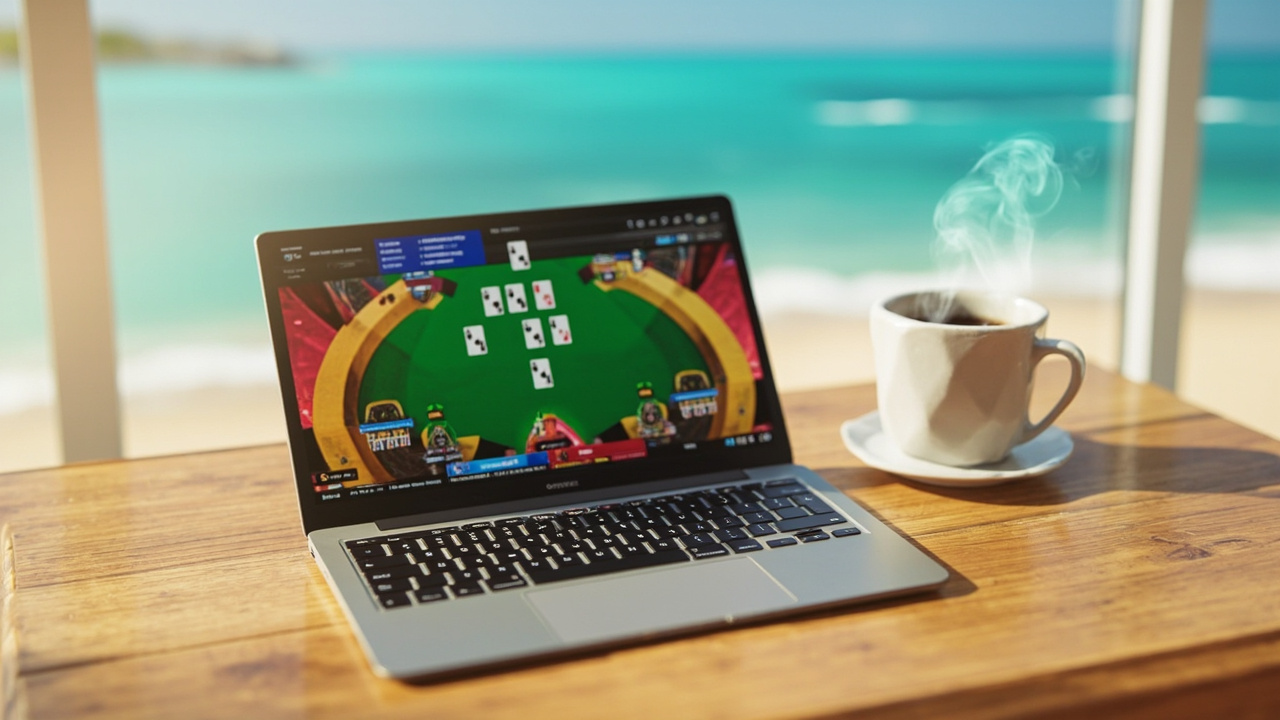
Reading the screen, setting limits, and judging the session
A disciplined session on a sequel title starts with the same habits I expect from a team on a busy shift: clear limits, steady pace, and no guessing when the rules change. The screen should let you check the bet, lines or ways, balance, and any active feature before you spin, and the game should signal a bonus trigger in a way that is easy to read without scrambling for the paytable. I always set a loss limit and a session target before I start, because a sequel can feel familiar and still behave differently once the bonus round is in play. The volatility tag helps here, since a high-volatility sequel can go a long time between hits and a low-volatility one can eat into a bankroll with smaller, more frequent payouts.
The bonus round itself deserves a proper look, because the sequel may change the way free spins stack, how multipliers apply, or how a pick-me grid pays out. I read the feature rules before I rely on the round to do the heavy lifting, and I keep the max bet within the bonus terms so I do not accidentally break the offer. If the sequel includes a bonus buy, I check the cost relative to the stake and decide whether the extra entry fee is worth the chance, knowing that it does not guarantee a better result. The same discipline applies to autoplay: I prefer a cap or a stop condition rather than letting the game run without a limit, because that is how you keep a session under control when the pace picks up.
Payments and registration should be straightforward enough that you spend your time on the game, not on hunting for a way to cash out. A clean setup shows the currency up front, lists the deposit and withdrawal methods without hiding fees in the fine print, and makes the verification steps clear before you try to withdraw. I compare that to a well-run floor where the payout process is known in advance, because surprise delays are the last thing you want when you are managing a session. Support should be reachable when a rule is unclear, and the loyalty programme, if there is one, should reward regular play without making the points harder to use than the bonus itself. If you are in the Newcastle area and you want a local anchor for where players often compare options, it helps to know that the same discipline applies whether you are playing in a pub, a club, or on a site from home. I have seen sessions go better when the player treats the sequel like a game with its own rules rather than assuming it behaves like the original, and that is the kind of judgement call that keeps the session steady.
Good sessions on a sequel title come down to reading the screen, respecting the offer terms, and keeping the pace steady rather than chasing a feeling. The game can be familiar, but the maths, the bonus trigger, and the wagering rules are what actually shape the session, so I treat those as the first things to check. If the offer is clear, the contribution is fair, and the limits are set before the first spin, the sequel becomes a game you can test properly instead of one you just hope will behave. No deposit or bonus changes the fact that the outcome is still random, and the only real edge is knowing the rules well enough to play within them.